Service
Direct-to-garment printing for detailed, photographic designs on cotton tees and hoodies, with no screen setup.
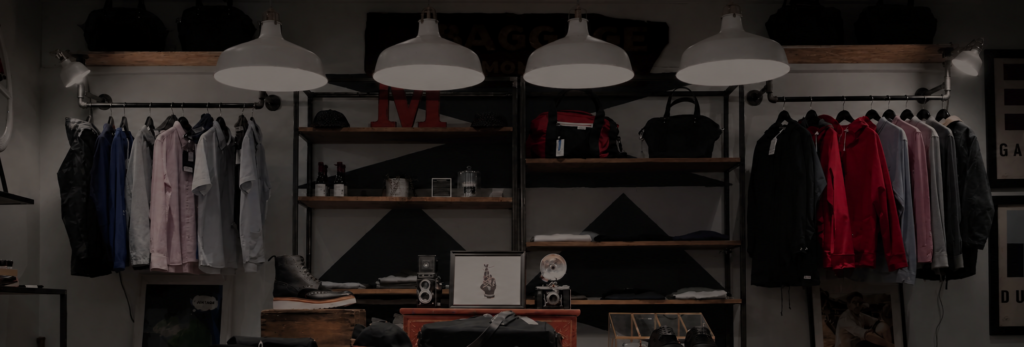
Direct-to-garment printing, or DTG, works like an inkjet printer for clothing. Water-based inks are sprayed directly into the fibers of the garment, reproducing full-color artwork, gradients, and photographic detail in a single pass. Because there are no screens to prepare, there are no per-color setup costs, which makes DTG printing services ideal for detailed designs, small runs, and collections with many different designs.
MAKEWELL APPAREL uses DTG for t-shirts, hoodies, sweatshirts, tote bags, and baby onesies, with soft prints that feel part of the fabric. To compare methods, see our printing methods guide.
Garments are first pre-treated, especially dark colors, so the ink bonds properly and colors stay vibrant. For dark garments, a white ink underbase is printed first, followed by the full-color design. The print is then heat-pressed to cure the ink so it withstands washing. Because the image is printed digitally, each garment can even carry a different design or personalization.
The result is a soft, breathable print with excellent detail, especially on 100 percent cotton garments.
DTG works best on 100 percent cotton and high-cotton blends, because the water-based inks bond with natural fibers. Combed and ring-spun cotton tees with a smooth surface give the sharpest results. Polyester-heavy fabrics are less suitable for DTG and are usually better printed with DTF transfers or sublimation.
We recommend garments and fabrics that maximize print quality; see our fabric selection guide for more.
DTG excels at detailed, multicolor, and photographic designs, small quantities, and many different designs, with no setup per color. Screen printing excels at larger quantities of the same design, solid colors, specialty inks, and maximum durability, with lower cost per piece at volume. Many brands use DTG to test designs and produce small drops, then switch bestsellers to screen printing as volumes grow.
For best results, supply high-resolution PNG files at 300 DPI at the actual print size with a transparent background. Avoid semi-transparent edges and very thin lines on dark garments, as the white underbase can show. We review your artwork, suggest adjustments where needed, and send a mock-up of size and placement.
Typical print areas include full front up to about 30 by 40 centimeters, full back, left chest, and sleeve prints.
Because each print is digital, DTG supports personalization such as names, numbers, and unique designs per garment, as well as small batches for new design testing. This flexibility suits creators, artists, and brands releasing frequent limited drops.
Properly pre-treated and cured DTG prints last through many washes. We recommend washing inside out in cold water and avoiding high dryer heat to keep colors vivid. We wash-test samples to confirm color and adhesion before bulk production.
DTG uses water-based inks and prints only where needed, reducing ink waste and eliminating screen-cleaning chemicals. Combined with organic cotton garments, DTG supports more sustainable collections.
DTG printing on our garments starts from 50 pieces per design for production orders, with flexibility to mix designs. Samples usually take 7 to 10 business days, and bulk production typically takes 2 to 4 weeks after approval. Explore all apparel manufacturing services.
The garment you print on has as much influence on DTG quality as the printer itself. Smooth, tightly knitted 100 percent cotton jersey gives the sharpest edges and richest colors, because the ink has an even surface to sink into. Combed and ring-spun cotton tees are ideal, while very textured fabrics such as pique or slub cotton can make fine detail look softer. Heavyweight streetwear tees print well too, though thicker fabric can take slightly more ink and pre-treatment.
Color also matters. White and light garments need no white underbase, which keeps the print extra soft and the price lower. Dark garments need pre-treatment and a white layer, which adds a little thickness but delivers vibrant color. During sampling we print your design on your chosen garment and color, wash it, and check vibrancy, edge sharpness, and hand feel, so you can approve the result with confidence before bulk production.
DTG suits businesses that release many designs in modest quantities. Independent clothing brands use it to launch capsule collections with several graphics without paying setup on each color. Artists and illustrators use it to reproduce paintings and digital art with full tonal range. Creators and online communities use it for limited merch drops, and companies use it for event shirts featuring detailed photos or many logos.
Because DTG prints only where ink is needed, small designs such as left-chest logos and sleeve prints are efficient, while large full-color back prints show off the method’s detail. Many brands start with DTG while they learn which designs sell, then move proven bestsellers to screen printing to reduce the cost per piece as volumes grow. Our team helps you plan that transition so the look of each design stays consistent.
DTG works well alongside other decoration methods on the same garment. A popular combination is a detailed DTG back print with an embroidered chest logo, which pairs full-color artwork with a premium, textured brand mark. DTG can also be combined with woven neck labels, printed neck tape, and custom hang tags from our labels and hang tags service for a fully branded finish.
For garments made from polyester or blends where DTG is less effective, we can use DTF transfers for the same artwork, so a collection that mixes fabrics still looks consistent. We plan decoration methods product by product and confirm everything on samples.
Consistent DTG quality depends on careful control of every step. We calibrate printers for accurate color, apply pre-treatment evenly so there are no stains or patches, and cure prints at the right temperature and time so ink bonds fully. Each order starts with a test print that is checked against your approved sample for color, position, and size before the run continues.
During production, we inspect prints for banding, missing ink, misalignment, and residue, and finished garments are folded and packed carefully to protect the print. Approved artwork, color profiles, and placement measurements are stored so reorders look the same as your first run.
READY WHEN YOU ARE
Tell us about your product and quantity. Our team will recommend the best approach and send an itemized quote within 24 hours.
DTG, or direct-to-garment printing, sprays water-based ink directly into fabric fibers to reproduce full-color designs.
Yes. DTG has no screen setup costs, making it ideal for small runs and many different designs.
100 percent cotton and high-cotton blends give the best results. Polyester is better suited to DTF or sublimation.
Yes. Dark garments are pre-treated and printed with a white underbase for vibrant colors.
Properly cured DTG prints last through many washes, especially when washed inside out in cold water.
DTG is better for detailed full-color designs in small runs. Screen printing is better for larger runs and solid colors.
High-resolution PNG files at 300 DPI at print size with a transparent background work best.
Yes. DTG ink soaks into the fibers, giving a soft, breathable print.
Yes. DTG supports names, numbers, and unique designs per piece.
Yes. DTG reproduces gradients and photographic detail very well.
DTG uses water-based inks and prints only where needed, reducing waste.
Typical full-front prints are up to about 30 by 40 centimeters, depending on the garment.
Yes. We DTG print cotton-rich hoodies and sweatshirts.
Samples take about 7 to 10 business days, and bulk production usually takes 2 to 4 weeks after approval.
DTG works best on cotton. On blends with high polyester content, colors can look less vibrant, so we usually recommend DTF printing or sublimation for those fabrics.
Dark garments need pre-treatment and a white ink underbase so colors stay bright, which uses more ink and time than printing on white or light garments.
FREE QUOTE · NO OBLIGATION
Tell us what you are making and our team will reply within 24 hours with recommendations and an itemized quote.
Prefer email? sales@makewellapparel.com
Your details are only used to prepare your quote. We never share them.
BEFORE YOU GO
Send us your idea, even if it is only a sketch. Within 24 hours you get fabric suggestions, a realistic timeline and an estimate, with no commitment.
Prefer email? sales@makewellapparel.com
Your details are only used to prepare your quote. We never share them.