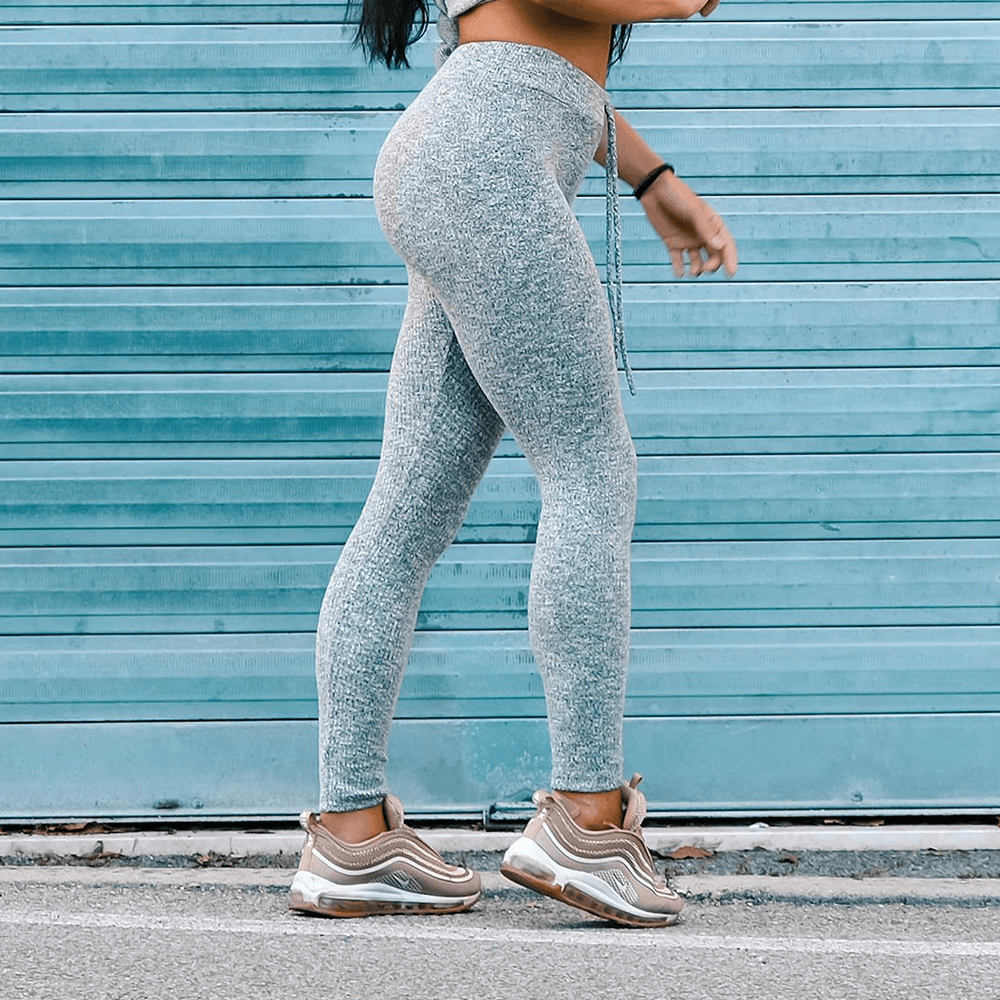
Activewear buyers are demanding: they want fabric that stretches and recovers, seams that do not chafe, leggings that stay opaque when they squat, and logos that survive hundreds of washes. Get those basics right and you have a product people reorder.
1. Choose a specific niche
“Activewear” is broad. Yoga, running, lifting, cycling, team sports and athleisure each need different fabrics, fits and features. A clear niche helps you design better products and speak directly to your customer.
2. Plan a focused capsule
- Leggings or bike shorts
- A sports bra or fitted top, or a training tank
- Training shorts or joggers
- An outer layer such as a lightweight hoodie or quarter zip
See our custom activewear page for the full range we produce.
3. Pick performance fabrics
| Property | Why it matters |
|---|---|
| Stretch and recovery | Garment moves with the body and keeps its shape |
| Moisture management | Moves sweat away from the skin to dry faster |
| Opacity | Essential for leggings, test it with a squat test |
| Weight and compression | Defines how supportive the garment feels |
| Hand-feel | Brushed, matte or sleek finishes change perceived quality |
Blends of polyester or nylon with spandex are common. Our fabric selection team can recommend options for your activity and price point.
4. Get the construction right
- Flatlock or coverstitch seams to reduce chafing.
- Gussets for movement and durability in leggings and shorts.
- High-rise waistbands that stay put, with hidden pockets if needed.
- Accurate grading, because compression garments are unforgiving on fit. See our size chart guide.
Activewear is usually produced through cut and sew, so a detailed tech pack is essential.
5. Choose decoration that stretches
- Sublimation for all-over prints on polyester.
- DTF and heat-applied logos for many stretch fabrics.
- Embroidery for small logos on heavier layers.
- Printed or tagless labels for comfort.
6. Sample and wear test
Wear your samples for real workouts. Squat test leggings in good light, wash them several times, and check for pilling, seam comfort and colour fastness. Samples take 7 to 10 business days with us. Our sampling guide includes a full checklist.
7. Produce and launch
Bulk production takes 2 to 4 weeks after sample approval, from 50 pieces per design. Launch with real athletes or instructors from your niche wearing the product, and collect feedback for your second drop. For pricing and margins, read how much it costs to manufacture clothing.
Frequently asked questions
What fabric is used for activewear?
Most activewear uses stretch knits made from blends such as polyester or nylon with spandex (elastane), chosen for stretch, recovery, moisture management and opacity. The right blend depends on the activity and the feel you want.
What makes activewear different to manufacture?
Stretch fabrics need the right stitches and seams, such as flatlock or coverstitch, accurate fit across sizes, and opacity testing for leggings. Sampling and wear testing are especially important.
Which decoration works best on activewear?
Sublimation works well on polyester performance fabrics, heat-applied transfers suit many stretch fabrics, and small embroidered logos work on heavier pieces. The decoration must stretch with the garment.
How many styles should an activewear brand launch with?
A focused capsule such as leggings, a sports bra or top and a pair of shorts is a strong start. Launch in core colours, then expand based on sales.
Building an activewear line?
Tell us your products, activity and target price. We will recommend fabrics and construction and send an itemized quote within 24 hours.
Get an Activewear Quote