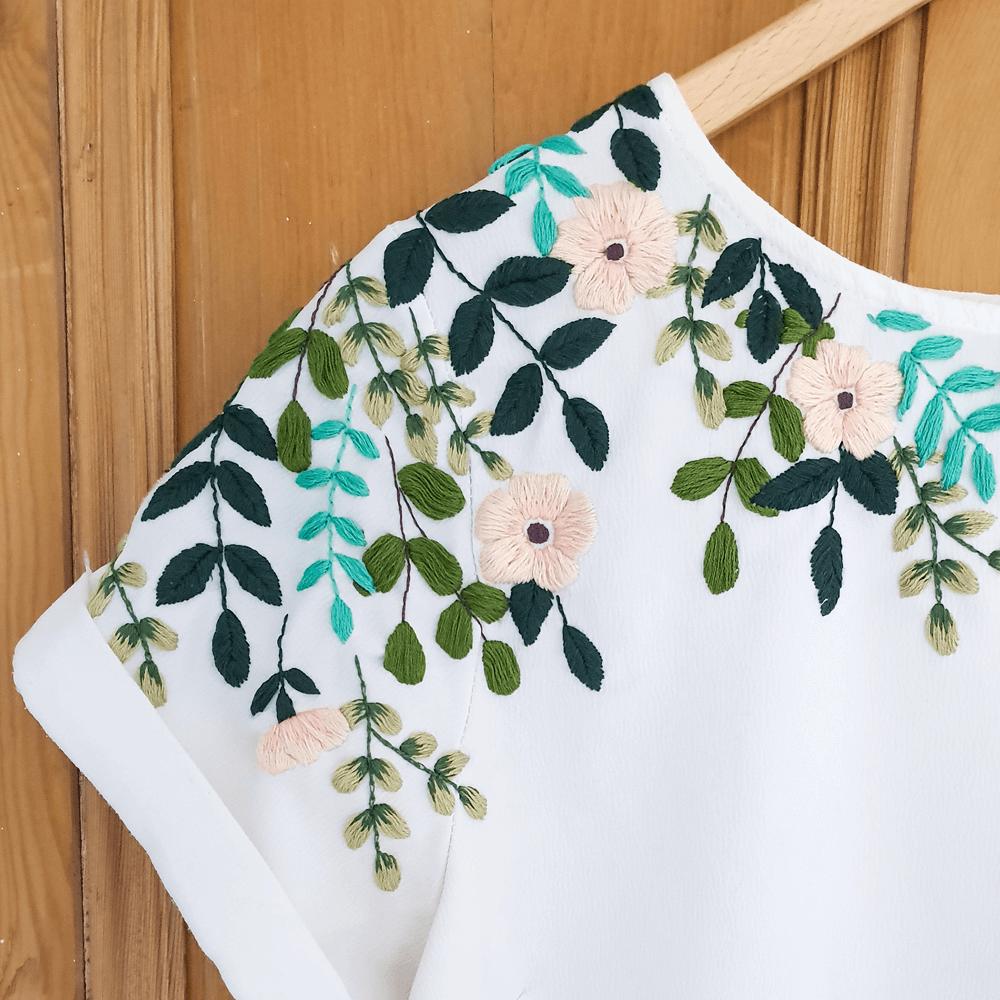
When you put your logo on clothing, the two most popular choices are embroidery and screen printing. Both can look excellent, but they create very different results and suit different garments, designs and budgets.
Here is how they compare, and how to choose the right one for your brand.
Quick comparison
| Embroidery | Screen printing | |
|---|---|---|
| Look | Raised, textured, premium | Flat, bold, vibrant colour |
| Best design size | Small to medium logos | Medium to large graphics |
| Detail | Limited for tiny text and gradients | Fine detail and halftones possible |
| Cost driver | Stitch count and size | Number of colours and locations |
| Best garments | Polos, hats, jackets, fleece, workwear | T-shirts, hoodies, sweatshirts, totes |
| Feel | Thicker, stiffer area | Soft, especially with water-based inks |
When embroidery is the better choice
- Premium or corporate look: embroidered logos on polos, uniforms and jackets feel professional.
- Headwear: caps and beanies are classic embroidery products.
- Heavy fabrics: fleece, twill and canvas hold stitches well.
- Small logos: left chest, sleeve and collar placements.
Specialty options include 3D puff embroidery for raised lettering and patches for detailed or textured logos. Learn more on our custom embroidery page.
When screen printing is the better choice
- Large graphics: full front or full back designs.
- Bold, limited colour designs: where each colour is a separate screen.
- Lightweight garments: t-shirts and tank tops, where embroidery can pucker thin fabric.
- Larger runs: setup is shared across more pieces.
Specialty inks such as puff, discharge and water-based give extra texture or a softer feel. See screen printing for details.
What about DTG and DTF?
If your design has many colours, gradients or photographic detail, digital methods can be better than either option. DTG prints full colour directly on cotton garments, and DTF transfers work on many fabric types. Our printing methods page compares all options.
How to choose in four questions
- How big is the design? Small logo: embroidery. Large graphic: screen print.
- What garment is it on? Thick or structured: embroidery. Lightweight tee: print.
- How many colours and details? Fine details and gradients suit print; bold, simple logos suit both.
- What feel do you want? Textured and premium, or soft and flat?
Combine both for a premium product
Many brands use an embroidered chest logo with a large screen-printed back graphic on hoodies and sweatshirts. It gives the garment a premium finish while keeping the big design cost-effective.
Whichever you choose, prepare your files properly with our artwork preparation guide, and see how decoration affects price in how much it costs to manufacture clothing.
Frequently asked questions
Is embroidery more expensive than screen printing?
It depends on the design. Embroidery cost is driven mainly by stitch count and size, while screen printing cost is driven by the number of colours and print locations. Small logos are often efficient to embroider; large, bold graphics are usually better value screen printed.
Which lasts longer, embroidery or screen printing?
Both are durable when done well. Embroidery does not crack or fade like some prints can, and quality screen printing with properly cured ink holds up for many washes.
Can I use both embroidery and screen printing on one garment?
Yes. A common combination is an embroidered chest logo with a large screen-printed back graphic, which gives a premium feel while keeping the large design affordable.
Which is better for hats?
Embroidery is the most common choice for caps and beanies because it sits well on structured and knit fabrics. Patches are a great alternative for detailed logos.
Not sure which method suits your logo?
Send your artwork and garment choice. We will recommend embroidery, screen printing or a mix and send an itemized quote within 24 hours, from 50 pieces per design.
Get My Recommendation