Service
Four quality checkpoints from materials to final packing, so the garments you receive match the sample you approved.
Quality problems are cheapest to fix before a garment is cut and most expensive after it reaches your customer. MAKEWELL APPAREL includes apparel quality control services with every order, from sample approval through bulk production to final packing, so the garments you receive match the sample you approved. Our quality control and inspection service applies to every product we make, from t-shirts and hoodies to jeans and jackets.
This page explains what we check, when we check it and what you can request. For a checklist to use on your own deliveries, see our clothing quality control checklist.
Quality is controlled at four stages so that issues are caught early.
Each checkpoint is easier when the specs are clear, which is why a complete tech pack matters. Read what a tech pack is to see what to include.
Final inspection covers both how a garment looks and whether it performs.
Inspection results depend on the standard you apply. Many brands use an AQL (acceptable quality level) sampling plan, where a set number of garments is pulled from the finished lot and defects are counted against an agreed limit. Defects are normally grouped by severity.
We work to the defect limits you set in your tech pack and purchase order, and confirm the inspection plan with you before production starts. Tell us early if you need a specific standard.
Different garments fail in different ways, so inspection points change by category.
You should not have to guess about your order. Ask us for photos or a video walkthrough of finished goods before they ship, and for a summary of what was inspected and what was corrected. Clear written findings make decisions simple: ship, rework or hold for fixes. If you are comparing partners, our guide to clothing manufacturer red flags lists what to ask suppliers about inspection.
Even careful production produces occasional defects. What matters is how they are handled. When an inspection finds problems, we identify the cause, sort and rework or replace affected garments and re-check before shipment. Agree in writing how defects, delays and replacements are handled, and see our payment terms guide for tying the final payment to inspection results.
Some products need laboratory testing beyond visual inspection, such as colorfastness, shrinkage, fiber content, flammability or children’s product certification. You can arrange accredited third-party testing for your product, and we plan the extra time and supply sample garments and component details to the lab. For fiber content and care label rules, see clothing label requirements.
Inspection should protect your launch, not slow it down. Build quality into the plan by sending complete specs, approving the pre-production sample quickly and agreeing inspection standards before cutting. Our lead time guide shows how inspection fits into the schedule, with samples typically taking 7 to 10 business days and bulk production 2 to 4 weeks.
From the blog
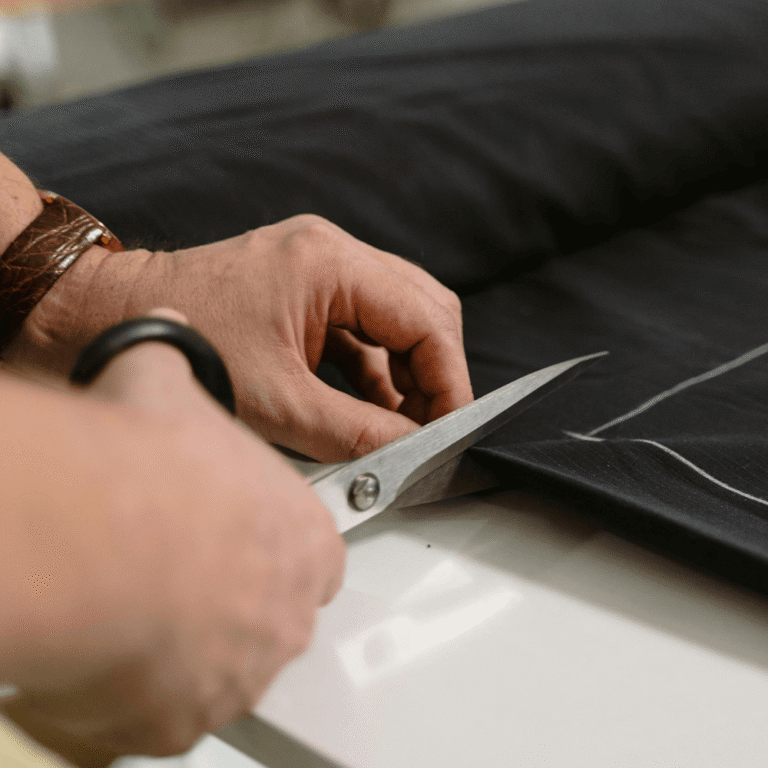 Manufacturing GuidesClothing Quality Control: Inspection Stages, AQL and a Practical Checklist
 Manufacturing GuidesWhat Is a Tech Pack? What to Include and How to Make One
 Manufacturing GuidesClothing Manufacturer Red Flags: 10 Warning Signs Before You Pay a Deposit
 Manufacturing GuidesClothing Manufacturer Payment Terms: Deposits, Balances and How to Stay ProtectedLabels & PackagingClothing Label Requirements in the USA: What Your Labels Must Include
READY WHEN YOU ARE
Send your design, quantity and quality standards. We reply within 24 hours with an itemized quote and an inspection plan, from 50 pieces per design.
It includes checking materials before cutting, approving a pre-production sample, in-line checks during sewing and decoration, and final inspection of finished garments before packing and shipment.
AQL stands for acceptable quality level. It is a sampling method where a set number of garments is checked from a finished lot, and the lot passes if defects stay within an agreed limit.
Critical defects make a garment unsafe or unusable, major defects are likely to cause a return, such as a wrong size or hole, and minor defects are small cosmetic issues that do not affect use.
You can ask for photos or a video walkthrough of finished goods before shipment, along with a summary of what was inspected.
We identify the cause, sort and rework or replace affected garments and re-check before shipment. Agree how defects and delays are handled in writing before production.
Yes. We compare color to your approved swatch or Pantone reference and check print and embroidery placement, alignment and finish against the approved sample.
Yes. You can appoint your own inspection company, and we provide access, packing lists and information they need.
Laboratory testing is separate from visual inspection. You can arrange third-party testing for colorfastness, shrinkage, flammability or children’s product certification, and we plan the time for it.
Inspection is built into the production schedule. Samples typically take 7 to 10 business days and bulk production 2 to 4 weeks, with any rework adding time.
Our clothing quality control checklist guide lists what to check on delivery, from measurements and stitching to labels and packaging.
30% OFF • FREE QUOTE • NO OBLIGATION
Tell us what you are making and our team will reply within 24 hours with recommendations and an itemized quote.
Prefer email? sales@makewellapparel.com
Your details are only used to prepare your quote. We never share them.
BEFORE YOU GO
Send us your idea, even if it is only a sketch. Within 24 hours you get fabric suggestions, a realistic timeline and an estimate, with no commitment.
Prefer email? sales@makewellapparel.com