Embroidery adds a premium, durable finish to apparel, but pricing can feel confusing. Two logos that look similar can cost differently. The reason is almost always stitch count and complexity.
Key takeaways
- Embroidery price is driven mainly by stitch count, which depends on design size and density.
- Placements, thread colours, garment type, digitizing and quantity also affect cost.
- Smaller, lighter designs and fewer placements are the easiest ways to reduce price.
The main embroidery cost factors
| Factor | Why it affects price |
|---|---|
| Stitch count | More stitches means more machine time per piece |
| Design size | Larger designs usually need more stitches |
| Density and fill | Solid fill areas use far more stitches than outlines |
| Thread colours | Many colour changes add complexity |
| Placements | Each extra location (sleeve, back, collar) adds setup and time |
| Garment type | Caps, thick jackets and stretch fabrics need different handling |
| Digitizing | Artwork is converted to a stitch file, usually once per design |
| Quantity | Setup is shared across more pieces on larger runs |
Understanding stitch count
A small left chest logo with text and an outline uses relatively few stitches. A large back design with solid fill can use many times more. That is why embroidery often makes most sense for small to medium logos, and why patches can be a smart option for large or highly detailed designs (see patches vs embroidery).
Typical embroidery placements
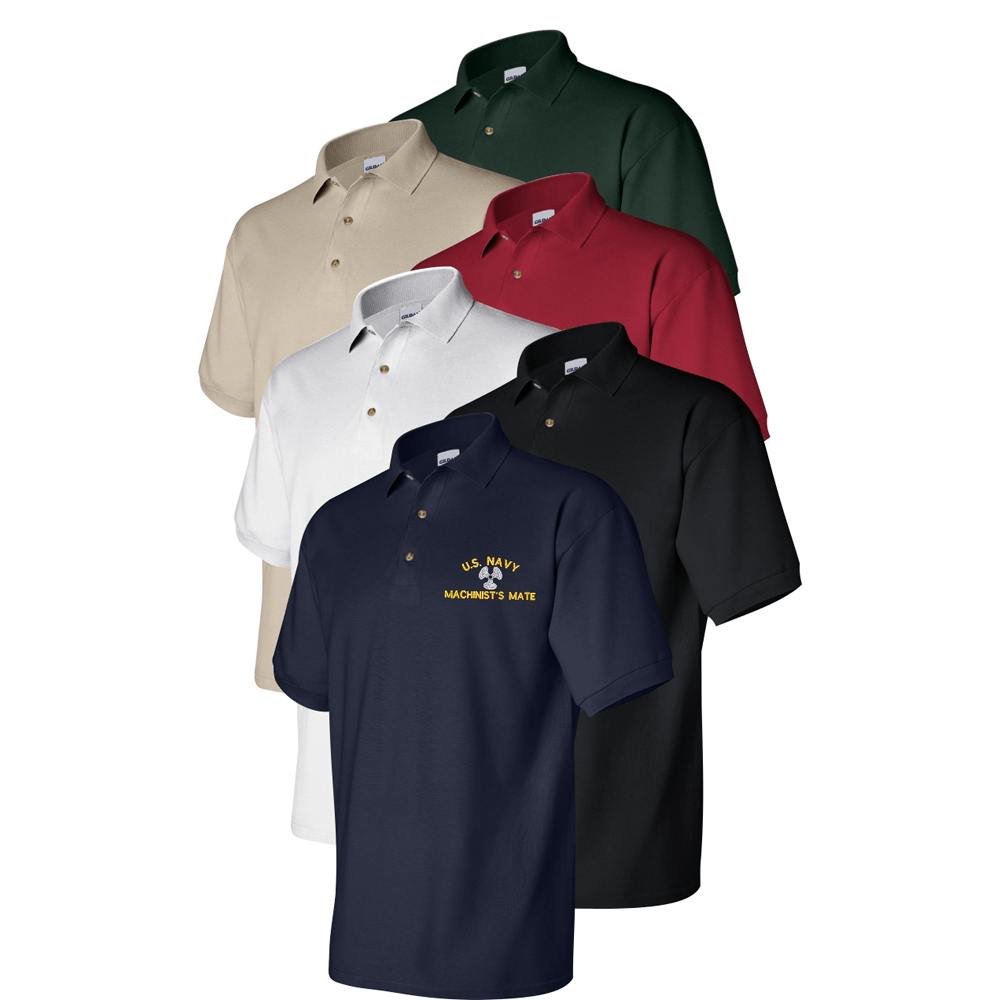
- Left chest on polos, shirts and hoodies
- Front of caps and beanies
- Sleeve or collar details
- Large back designs on jackets
7 ways to reduce embroidery cost
- Reduce the design size where it still reads clearly.
- Replace solid fills with outlines or open textures.
- Simplify tiny text and fine details.
- Limit the number of thread colours.
- Focus on one or two placements.
- Reuse the same design across products to reuse the stitch file.
- Order quantities that spread setup across more pieces.
Choose garments that embroider well
Fabric affects both quality and cost. Read best fabrics for embroidery before choosing garments, and compare decoration methods in embroidery vs screen printing.
More in our Embroidery guides
Frequently asked questions
How is embroidery priced?
Embroidery pricing is driven mainly by stitch count, which depends on design size and density, plus the number of placements, thread colours, garment type, any digitizing setup and order quantity.
What is stitch count?
Stitch count is the number of stitches needed to sew a design. Larger, denser designs with fill areas need more stitches and machine time than small outline logos.
Is digitizing a one-time cost?
Digitizing converts your artwork into a stitch file. It is typically done once per design and size, then reused for reorders.
How can I reduce embroidery cost?
Reduce design size or density, simplify fine details, limit placements, and order quantities that spread setup across more pieces.
Get a real embroidery price
Send your logo, garment and quantities. Our embroidery team will send an itemized quote within 24 hours, from 50 pieces per design.
Get an Embroidery Quote